On finding belonging, the breadth of cultural exchange, and what two days at Ayllu-Fest taught me about community.
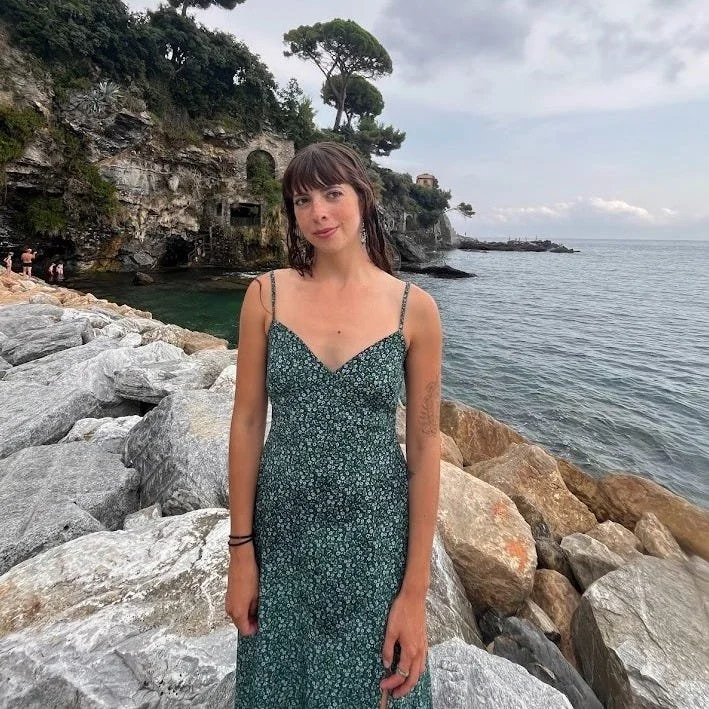
By Cecily McPherson
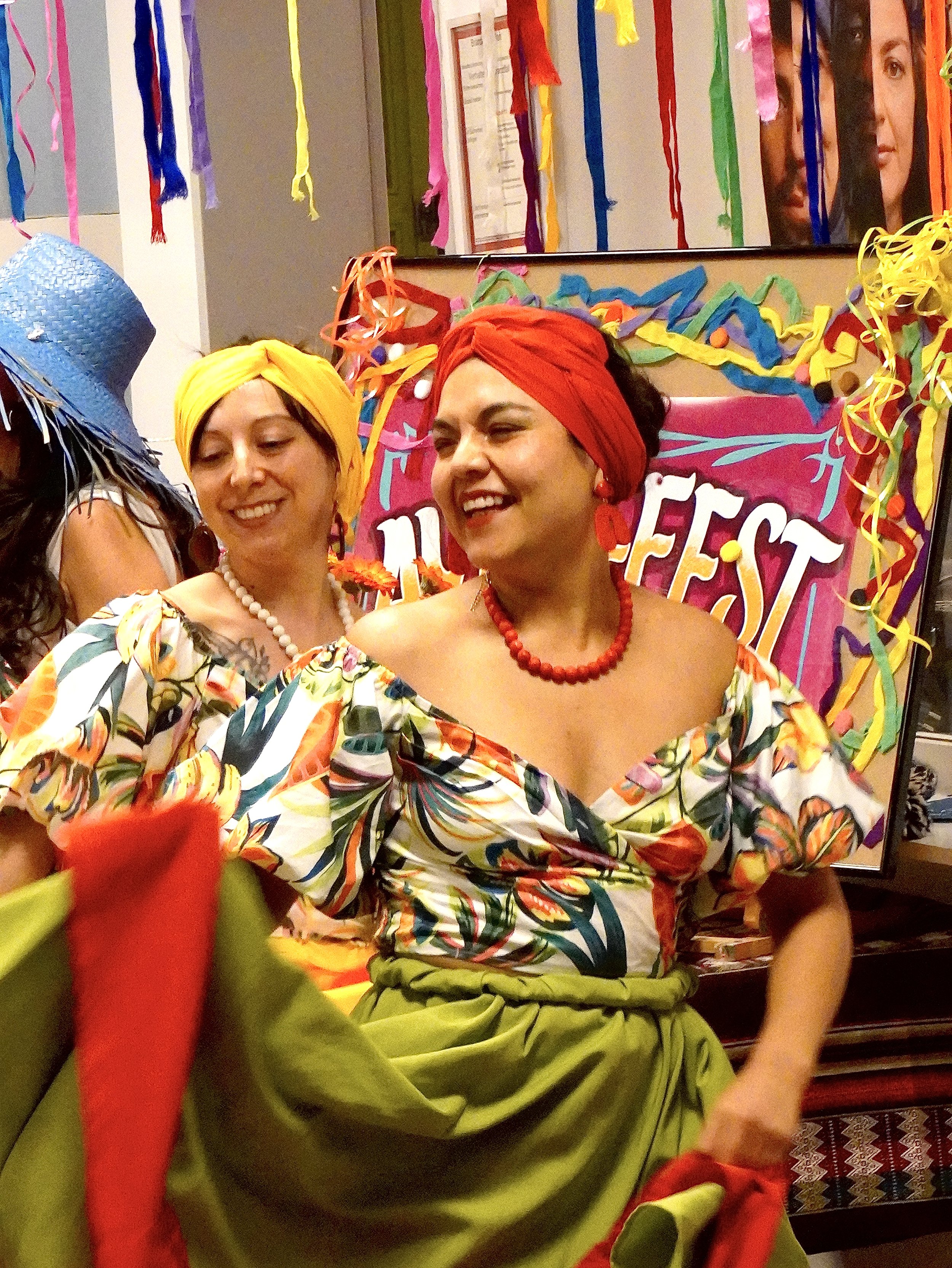
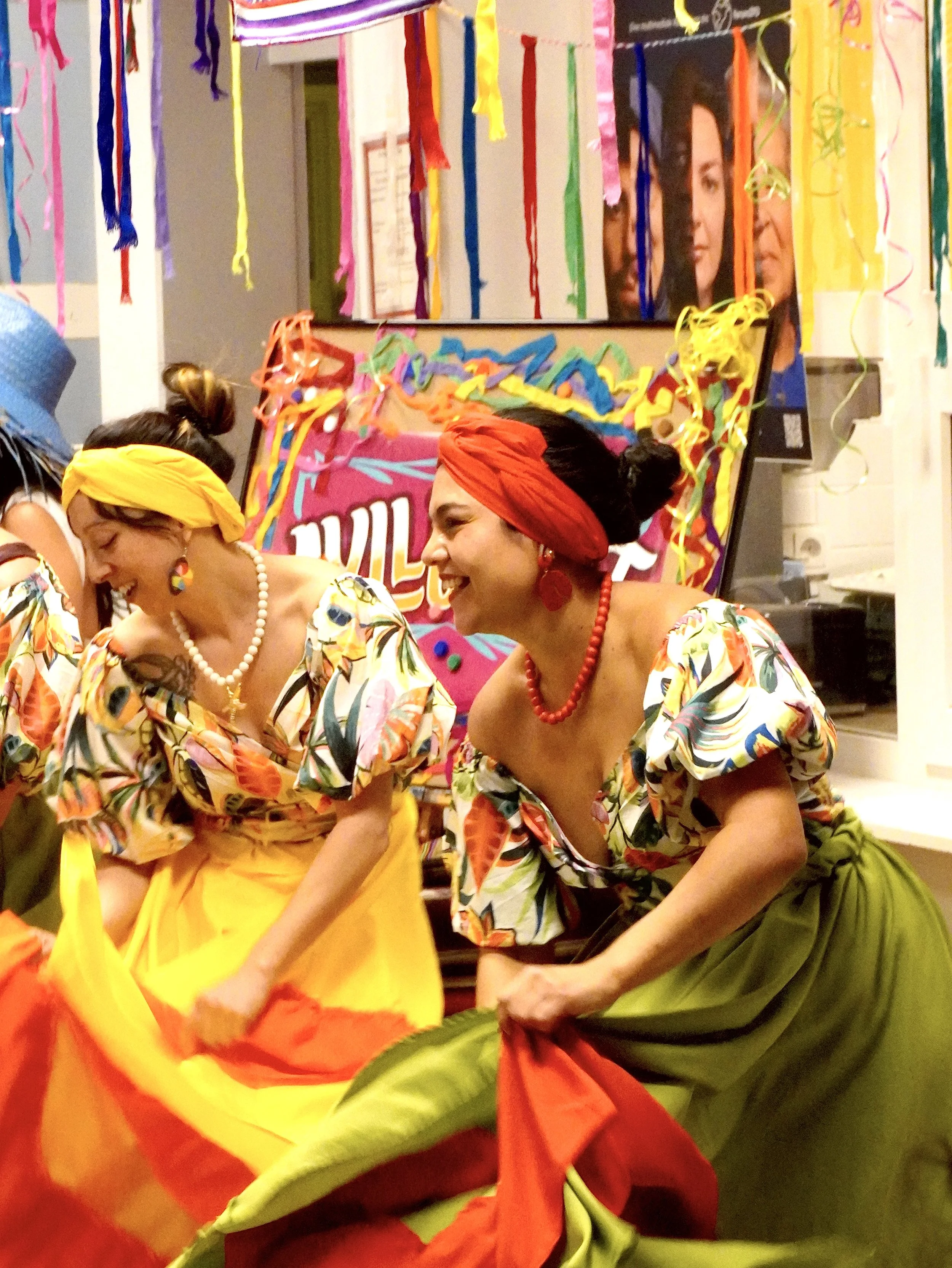
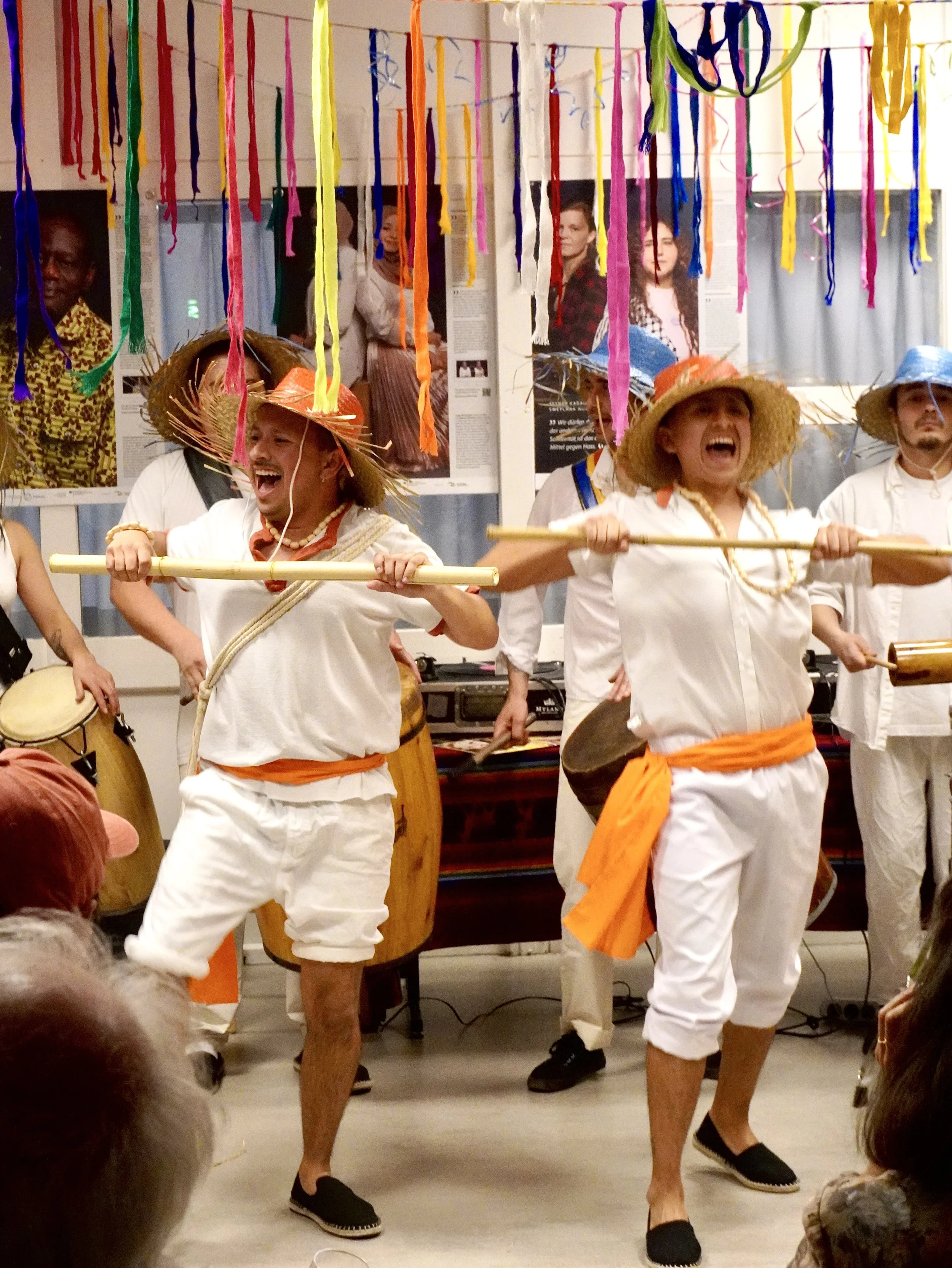
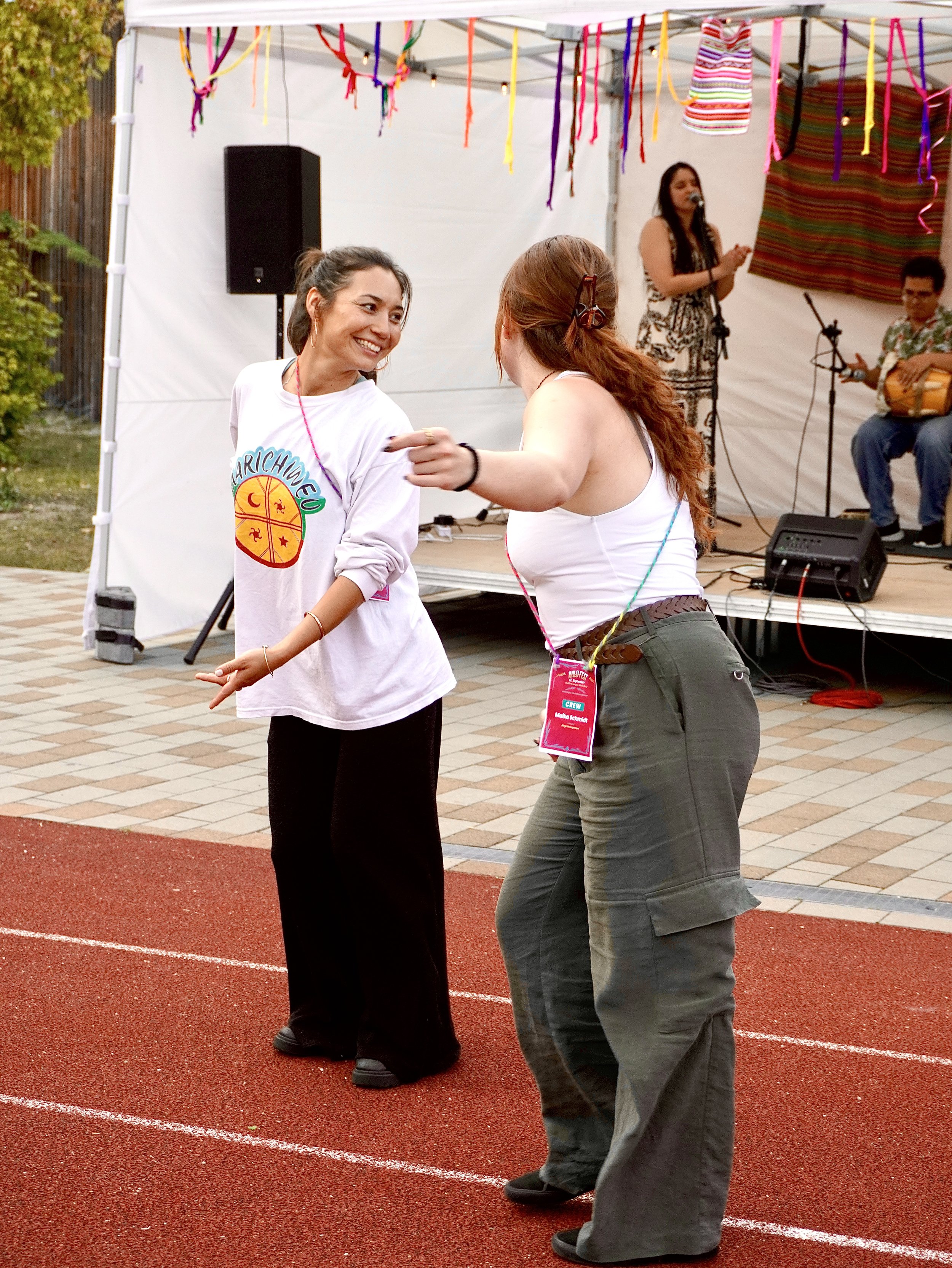
The dancers are a flash of bright colors, a swirl of smiling faces, a roar of laughter, and a cocoon of community. As I am being invited onto the dance floor, I am thinking about a comment my friend made years ago in an attempt to teach me how to salsa during my second trip to Mexico. “Gringo, we are going to need more tequila to get the whiteness out of you.”
My strength has never been dancing, especially the dancing outside of the jumping, flailing, spinning dancing typically done in the Global North, but in that moment, I didn’t care. I was so happy to be a part of something. To be dancing as a collective rather than alone, to feel the spirit of community and the medicine it fosters. To not care about my ethnic background or whether I fit in or not. For a moment. I forgot I was in Berlin.
Photos by Cecily McPhersonI remember the first time I went to a techno club in Berlin, my friend turned to me and said, “this changes everything. It finally feels like I am not being watched.”
Berlin, with all its complexities, its many kieve, its diversity of food, its daily events inviting exploration, and its way of letting inhabitants truly disappear into the night, draws people from all over the world into the city. But what happens after -- after migrants from everywhere uproot their lives, say goodbye to their homelands and chase the dream that Berlin presents; the dream of freedom, independence, self-sufficiency, artistic revelation, and success.
It is not an easy journey being a migrant in Berlin. Aside from the rising political tension spreading through the country like wildfire, the dark winters after New Years, when the city empties out and all the life and culture of the summer begin to dissipate and float away, the once lively city becomes a ghost town. No longer can residents meet in raves, demonstrations, or festivals on the street. The parks are no longer filled with people passing the day with cards and beers. Bars close early and friends let messages pile up.
Months of feeling alone, unnoticed, unimportant, and lacking purpose. The loneliness can be crippling.
Migrants are some of the most likely to experience loneliness in Berlin, and migrants that have a low level of German are even more susceptible (Cavender, Cheyenne, Melzer, and Mehran 2025). Although tourists my age often come to Berlin to get lost in the grungy techno clubs, dimly lit bars, and feeling of punk-rock hardness that is uniquely Berlin, after experiencing the changing of the seasons, the cold, the dark, and the emptiness that the city eventually becomes, the romanticism of Berlin as a place of freedom can fade.
Even in a city of colonial-based individualism, people need community. In spaces where people can freely encounter one another, exchange conversation and meet others with diverse cultural backgrounds, migrants are more likely to find work, hear about upcoming demonstrations, and become involved in volunteer work, community projects, and migrant/multilingual organizations (Marita 2026).
Spaces of encounter: finding migrant organizations in Berlin
In a migration study conducted in the German cities of Munich and Leipzig, researchers found when migrants from various cultural backgrounds shared work or had a common goal, “unquestioned normality” forms and community spaces, no longer based on ethnic or cultural identity but on “routinized coexistence,” blossom (Karin 2020, 120).
Thinking back to my last month with the cultural association INTIKUREN - entre mesas y culturas and the coordination of Ayllu-Fest, the sentiments of this research seem to have proven themselves. From a WhatsApp group chat I was added to from a previous connection, I responded to a flyer calling artists and helpers for the upcoming Ayllu-Fest. Without having a clue what ayllu was or even how to pronounce it, I found myself meeting with founder Ruben Manuel Gonzales and communication specialist Lea Wolff the following day and becoming a part of this blooming project.
Despite only having a basic Spanish level, I was accepted into the Ayllu-Fest team and spent the month leading up to the festival working amongst Spanish speakers and learning about the importance of ayllu and its relevance in decolonizing minds and bodies in a city like Berlin.
Depicted in the project’s motto, “Das Soziale ist kulturell – und wir alle sind Kultur ” (the social is culture, and we are culture), ayllu is an Andean term used to describe the community outside the home or immediate family. The term refers to the entire social network of a neighborhood. In an ayllu, the care of the land, food, and resources are reciprocal. Everyone is a part and has a part. A community is thus formed off of the collective work of everyone and not just a few (Sarapura-Escobar, Silvia, and Hoddy 2022).
Throughout the planning and coordination of the festival, I often wondered what the festival days would be like. Although I had already been working with INTIKUREN for a month before Ayllu-Fest, I still could not imagine the feeling of ayllu or how it would shape an urban space. It was Berlin after all, a city where people don’t make eye contact while walking down the street, swear at each other on bicycles, and often ignore when someone needs help.
Of course, it is not fair to say this is all of Berlin, but this is the city I found on a day to day basis. The Berlin of commuting, of the streets, of individualism.
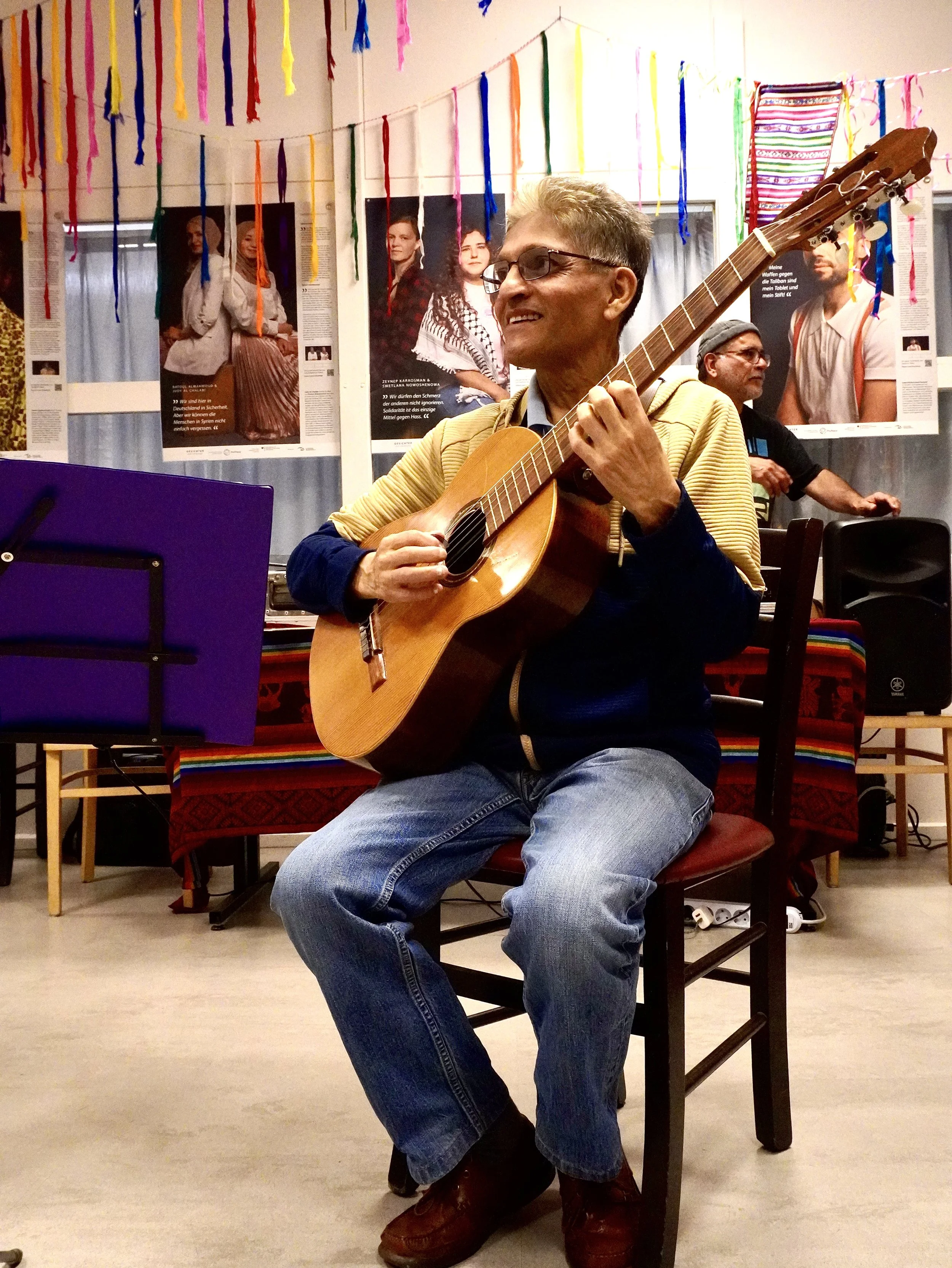
As I get lost in the richness of the Chilean music group called Tumberlin and watch a crowd of people from two, or even more continents, dance with one another as equals, suddenly all the history that has pushed the two groups apart begins to minimize. I can see ayllu. The smiles of strangers. Dancing together rather than apart. The creation of something important where everyone has a role, but the result is collective. I felt a much stronger sense of belonging here than I felt in any techno club.
Photos by Cecily McPhersonWhat exactly was Ayllu Fest?
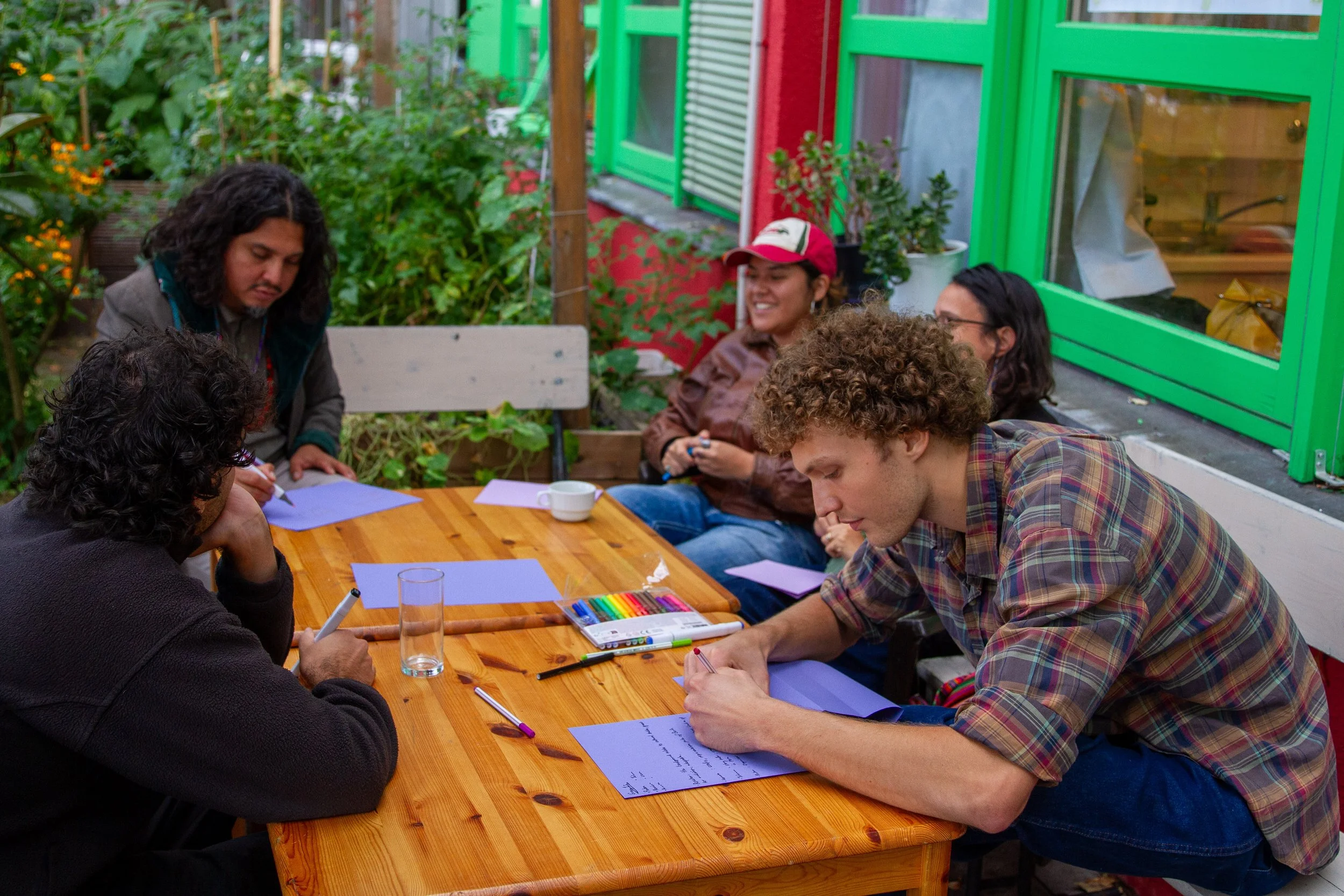
Ayllu Fest began on September 11th with a day devoted to young and aspiring artists and cultural practitioners. Students, freelancers, and artists sat together around a table, introduced themselves and exchanged why they were there. After an introduction from the two workshop hosts: Savanna Fortgang and Anastasia Zagorni, we were all divided into groups. We were asked to think about what was missing in Berlin and work together to create an organization, festival, or event that would begin to address this.
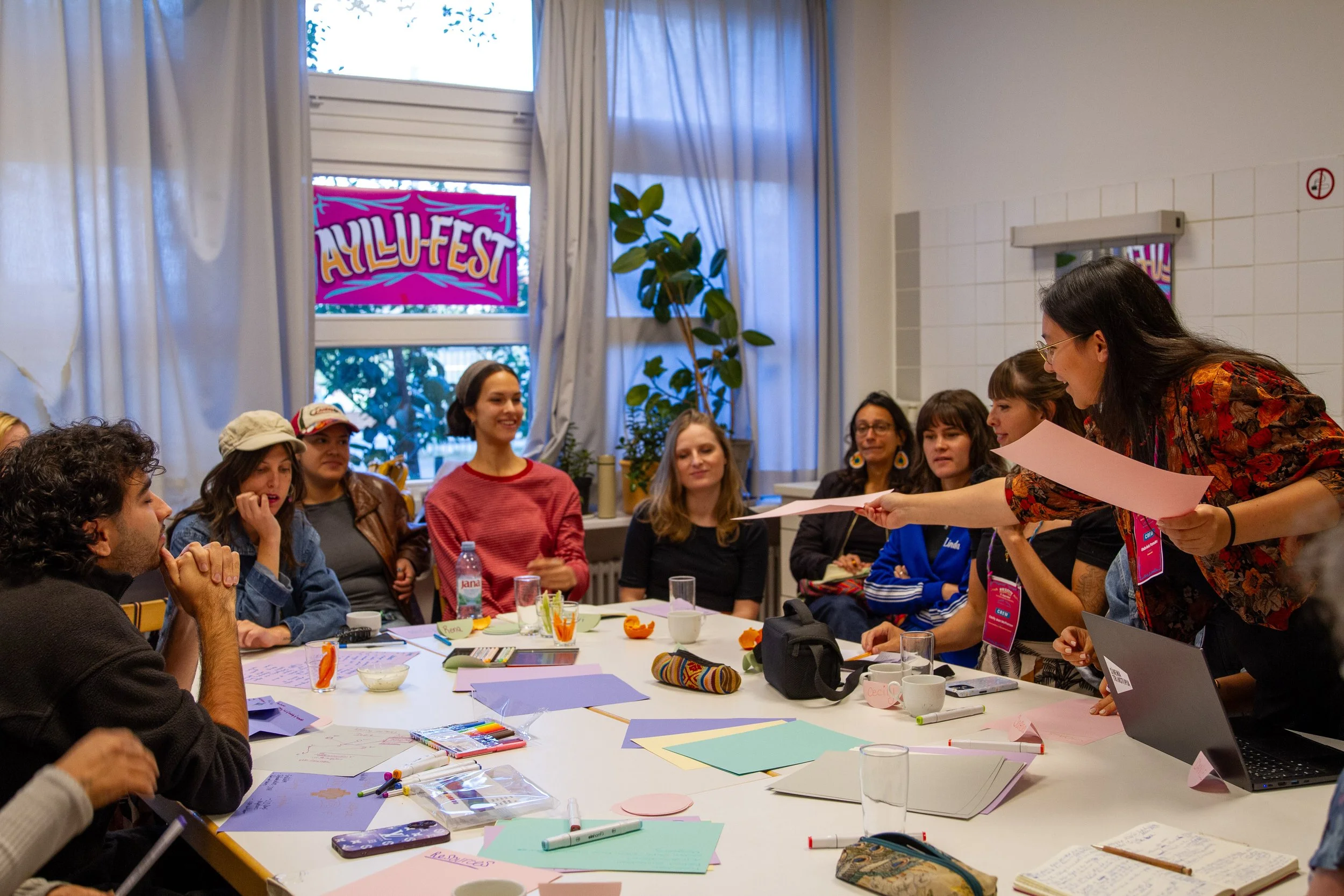
Photo by Irene Rojas ErlenbachMy group immediately turned to the division of different cultural groups and how they very seldom seem to intermingle. Whether that is statistically true or not is a point of contention in research, but from the six of us in the group, a mix of writers, dancers, cultural practitioners, storytellers, and freelancers, we all agreed on this idea.
There seems to be a strong divide in Berlin. Germans from non-Germans, German-speaking from non-German speaking, individuals who grew up in the country from those who just immigrated. How could we create a utopia-like space that would mesh them all together?
An urban study conducted by Humboldt-Universita¨t in Berlin, emphasizes the importance of multilingual organizations as a way to make non-German speakers also feel included and deepen their social networks. When migrants feel like their voice matters, like their presence is appreciated, like they can participate, they will feel more at home and integrate better into society (El-Kayed 2025).
When we all returned to the circle and presented our ideas to the group, non-surprisingly, every group focused on multicultural organizations and festivals. The theme was more inclusion, more empathy, more clashing of cultures and even species. All the ideas embodied the meaning of ayllu and our reciprocal relationships to each other and the pachamama, our direct natural environment and the right to defend our territory.
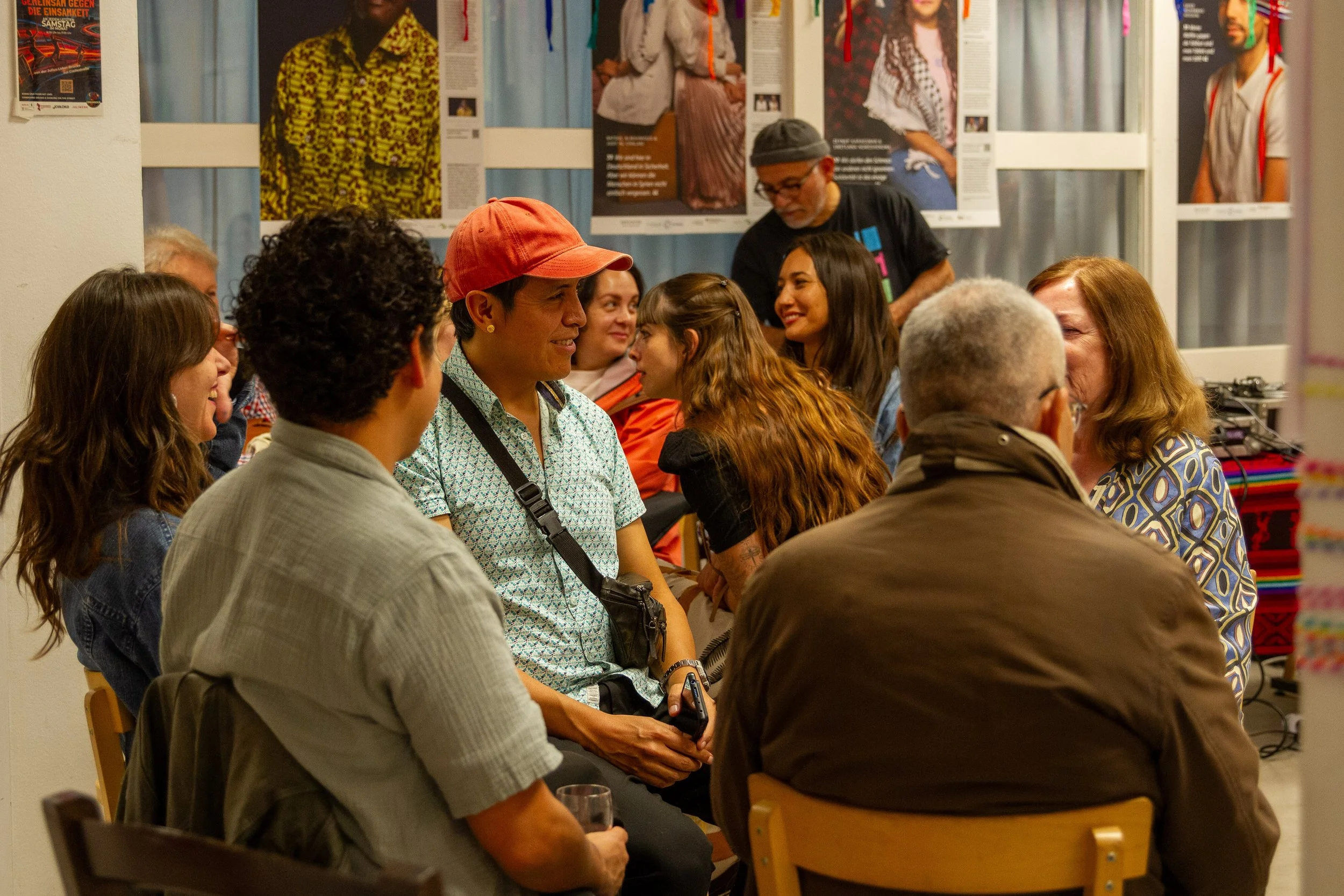
Photos by Irene Rojas ErlenbachThe rest of the night was a mix of networking with the bigger community, speaking in mixes of German, English, Spanish, listening to poetry, trying delicious Peruvian dishes made by Victor Mendivil Trelles and his project Tonopa, welcoming a performance from Thais Vera Utrilla, and the explosion of dance and celebration brought by the Chilean music group Tumberlin.
Dancing under the bright colors of the Andean themed space and curation by Jorge Tadeo Baldeon, this pocket of ayllu at the Interkulturelles Haus Schoneberg carried on into the evening. We left with sleepy smiles and warm hearts already looking forward to the next day.
The Second Day: an open-air celebration for the larger community
Taking place at the outdoor space surrounding the Waldorf Campus in Schoneberg, the next day was less intimate but nonetheless meaningful, people trickled in as workshops, dancing, music, and other performances unfolded. There was more chance to wander and explore, to see what piqued interest and stick around to find out more.
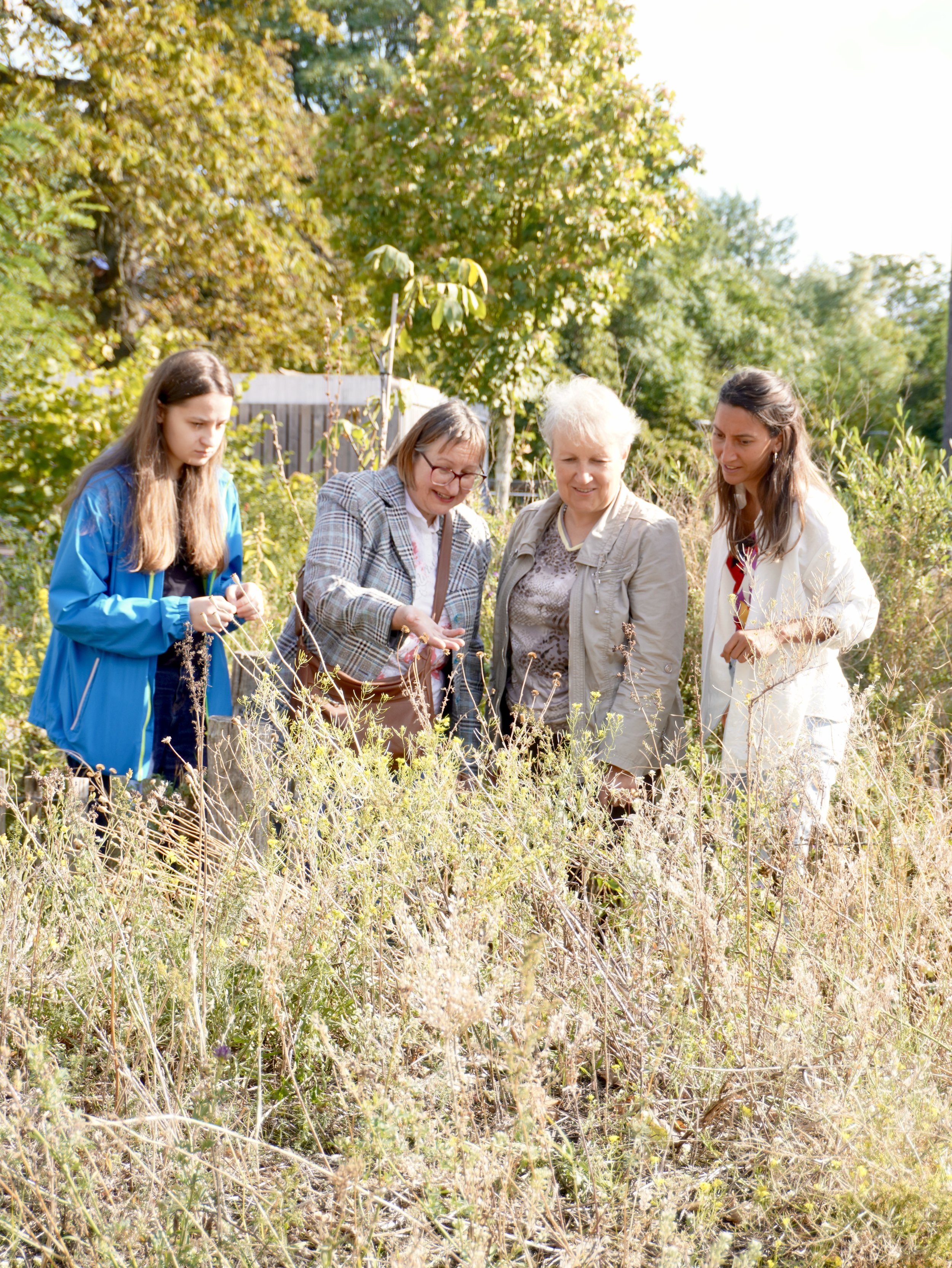
I started my day with Amor de Polen, an organization working to raise awareness about the biodiversity of species that call Berlin their home. The workshop invited exploration, artwork, pictures, and the use of body language to navigate around the language barrier of the group. We took a walk through gardens surrounding the campus, identifying different native species that fostered butterfly feeding and shelter. We shared words of hope and encouragement and we planted our own seeds to take with us as a remembrance.
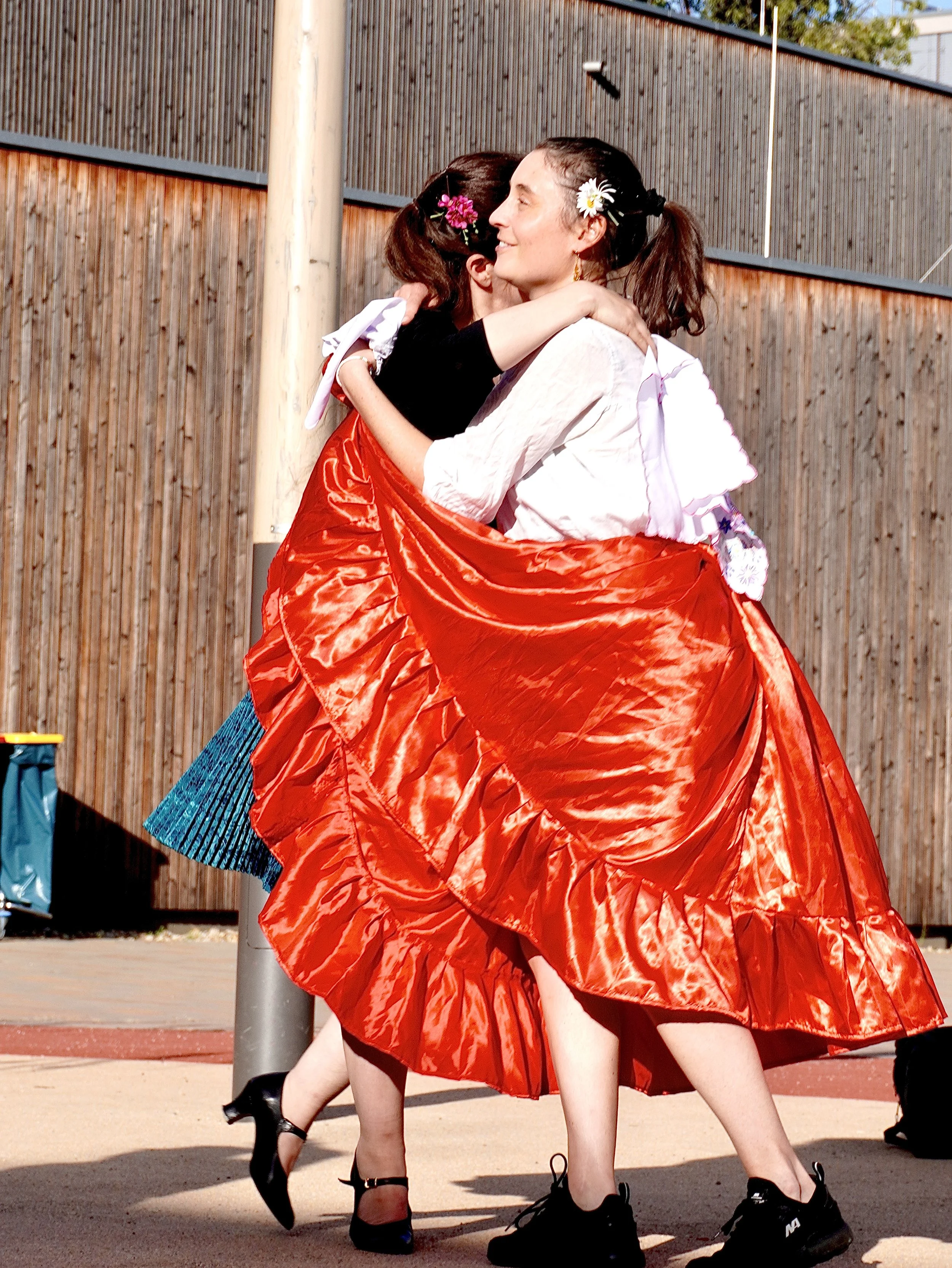
Meanwhile, music filled the air. The aroma of crepes and empanadas filled the air. Custom handmade jewelry was sold, and kids worked on collages and listened to Spanish stories from Club Solete. The dance group Luz y Color took the stage, entrancing the audience with their flowing colored skirts, and intimate interlocking of hands, arms, heads, and chests.
Photos by Cecily McPhersonAs I headed off the Waldorf Campus for a creative writing workshop by Alicia Morán, Tortuga Storytelling and Quena Tapia, entranced the public into a musical, storytelling journey. All the while, I was with other writers from the festival, exploring the idea of playfulness within the city. We climbed a “magical” castle in a children’s playground and let our minds transport us to a different world. We made a poem from our observations while taking a walk to the nearby bridge. Once arriving, we stopped at the bridge and attempted to personify it and tell its story and feelings. On our way back, we shared some of the things we wrote, feeling a deeper connection through our words and transporting ourselves out of our bodies into a shared experience.
When we returned the performance by Ibalu Alba and Camila had already begun and I was assisted in making a wish to the ofrenda, I watched as my wish caught fire and slowly burned as I sat down to focus a deeper attention on the happy faces of those clapping and dancing around me.
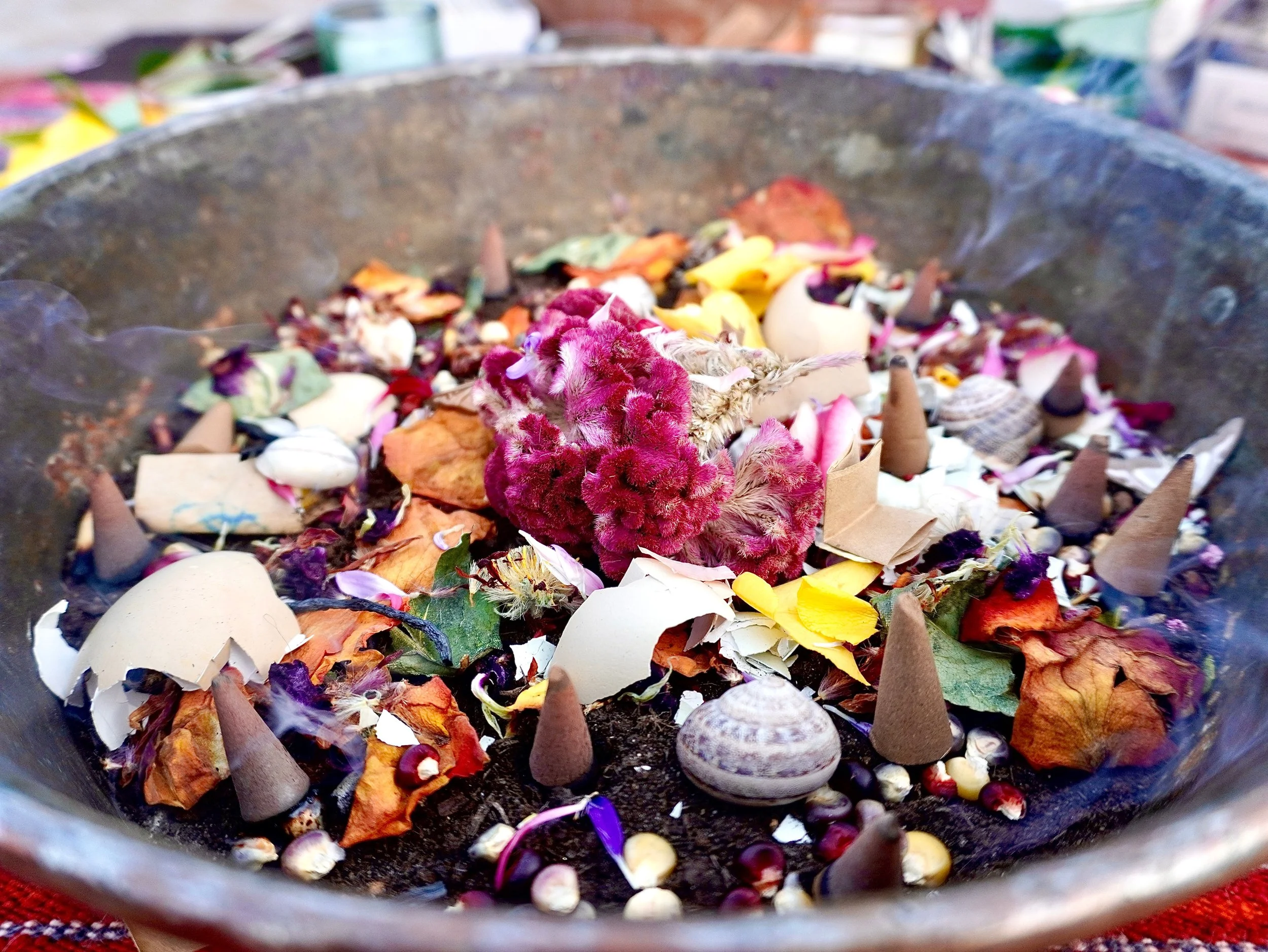
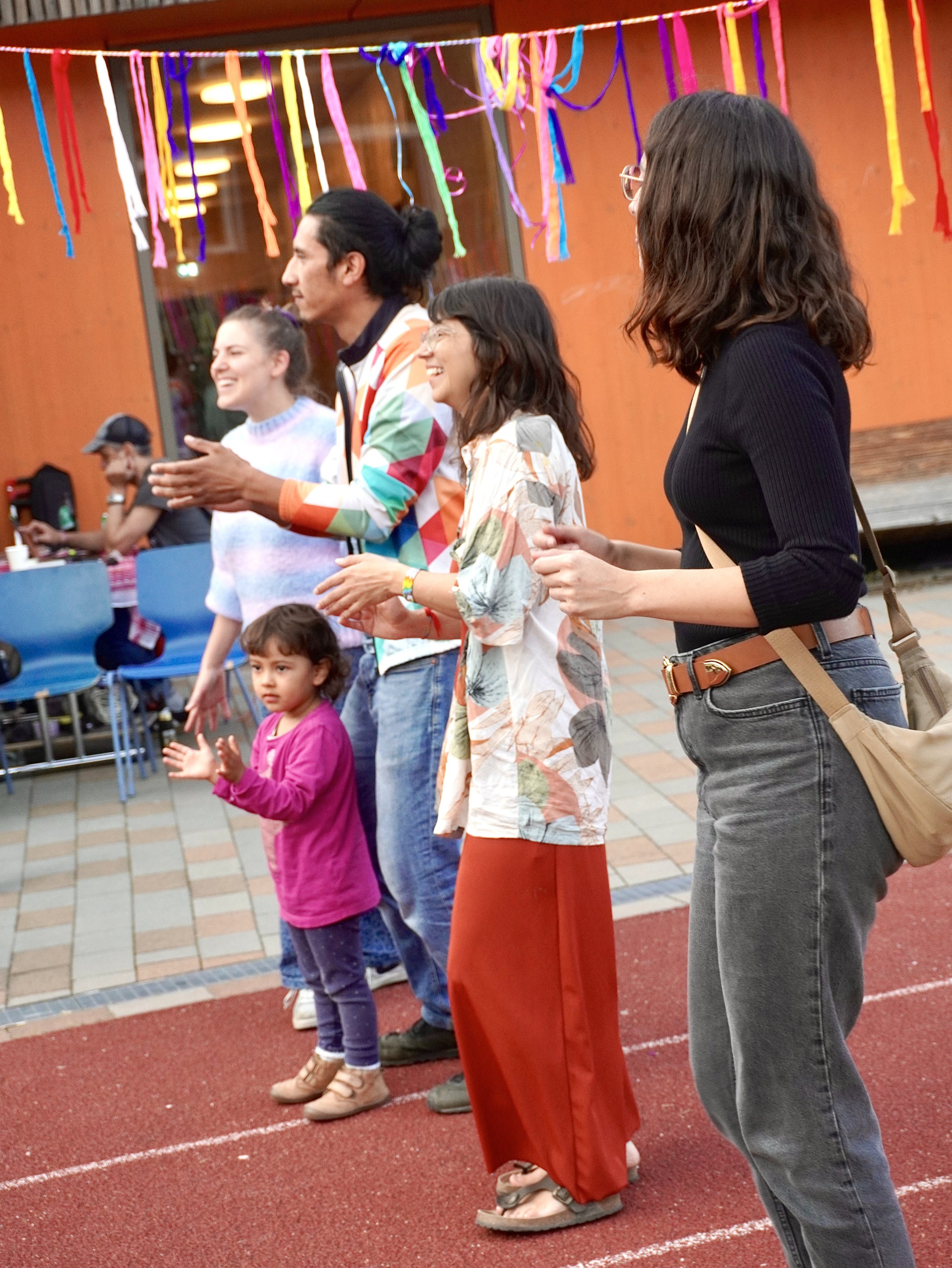
Photo by Cecily McPhersonI allowed the next hours to be that of rest and observation as I took in the dancers, musicians, and celebration around me. La Ruede de Bullerengue invited the crowd into a trance of movement and voice. Participants formed what seemed to be concentric circles, interweaving in and out of one another. Everyone had the chance to take the inner circle, the spotlight, as outer circles clapped and sang along encouragingly.
As night fell, salsa began, led by the music group Tumbaito. Ayllu-Fest workers all had the chance to take a rest, chat with friends and family, and enjoy the work they had accomplished. The Olguin brothers from Casalocasa played hits from yesterday and today, and cleanup of the festival began. There was play even in the taking down. Workers joined together in dance and song as they pushed each other around on carts and disassembled the decor and stage. The space emptied out, returning once again to an educational campus. Memories stored in the heart and mind, as well as decorations packed in the back of automobiles were what remained of the day.
And that was Ayllu-Fest, a festival of coming together from different backgrounds and different places. Sharing stories, sharing art, sharing lived experiences in an open, free space where everyone was welcome. There were no lines, no rejections, no dress codes or requirements, just coming together as a collective and sharing a small space within Berlin.

Photos by Cecily McPhersonSo what?
Ayllu is about returning to our roots and decolonizing cultures that tells us to always be apart, independent, and self reliant. As migrants, sometimes we need help, a conversation, a smile, or even a simple hello. We should feel deserving of these things, and comfortable enough to walk through the streets feeling like a neighbor and not an outsider.
But, as a migrant, it’s equally important to understand that the feeling of belonging doesn’t just happen. For me, It required open eyes, saying yes a bunch, wandering outside of my comfort zone, being in spaces with different languages and not always worrying about whether I stuck out. Instead, seeking to find commonality in the experience of being alive and sharing a beautiful space on this Earth.
Of course, not everyone has the same experience. Life may always look easier and be easier for me in comparison to others with a different mother tongue and cultural background. However, to have the bravery to leave home, for whatever the reason that may be, is a challenge in itself and should be met with grace. Wherever we come from and wherever we go, migrants share the uncomfortableness of change, adjustment, and learning. It is up to us to thus decide how we would like to tackle these challenges and alleviate uncomfortableness. Maybe it is finding others from our home country to relate to or maybe it is speaking brokenly in another language until eventually it becomes less broken. The journey is never linear and always ongoing.
So to all the migrants living in Berlin, whether we have chosen to be here or not, Berlin is our neighborhood, our community, our ayllu. We are already a part of it whether we chose to be or not. Although I would love to see more specific events like Ayllu-Fest that celebrate ideas, reciprocity, community, belonging, and invite numerous languages and numerous cultures into one space, there is always the possibility for each and every one of us to create our own ayllu within our own pocket of Berlin.
Reflecting back to the moment of invitation to dance, I pose a question to all readers: when was the last time you invited a stranger to dance with you? Maybe the time is now.
The People Behind Ayllu-Fest
Ayllu-Fest was made possible by the collective efforts of artists, cultural workers, musicians, facilitators, organizers, and volunteers who contributed their creativity, knowledge, energy, and time. While this article reflects the festival through my own eyes, I want to recognize the many people who helped bring these two days of community and cultural exchange to life.
AMOR DE POLEN — “Schmetterlinge in den Garten holen” (Bringing Butterflies into the Garden)
Mercedes Ciccale, Leonard Wordtmann
BIODANZA — Family Workshop
Laura Camila La Rotta Forero
CARGA MÁXIMA — Flyer Design
Alinder Espada, Azucena Cabezas
CASALOCASA — DJ Set
Daniel Aristidez Holguin Macedo, Oscar Holguin Macedo
CLUBSOLETE — Bilingual Interactive Reading with Music
Beatriz Teresa Pastalle Mas
CORE KOLLEKTIV — “Hands On” Workshop
Anastasia Zagorni
INTIKUREN — Festival Organization, Coordination & Communications
Andrea Aranda (Moderation, September 12), Cecily Jean McPherson (Communications & Public Relations), Jorge Tadeo Baldeon (Festival Coordination), Lea Wolff (Communications & Public Relations), Ruben Manuel Gonzales (Project Leadership)
PALOSANTO — Rueda de Bullerengue
Benjamin Sarmiento Peña, Diana Isabel Cepeda Gomez, Federico Hernández Puerta, Marly Katerine Erazo Lugo, Silvia Paola Sánchez González
TENDERMESH — “Hands On” Workshop
Savanna Monet Fortgang
TONOPA — Culinary Offerings
Carolina Resnikowsky, Enrique Castro, Victor Mendivil
TUMBAITO — Live Music
Erich Scheuch Rojas, Gustavo Adolfo Martinez, Luis Alejandro Lincheo Segovia
TUMBERLIN — Live Music & Performance
Carlos Trujillo, Daniela Luco, Edith Rivas, Fernando Arredondo, Giovanni Espinoza, Ignacio Branada, Javiera Ayuntay, Jercio Rojas, Jessica Navarro, Johan Flores, Kenya Aros, Lucia Ciller, Nei Elmúdesi, Nicole Carvacho, Rodrigo Vera, Tamara Canales
Verein zur Förderung interkultureller Begegnungen e. V.
Tamara Siebenmorgen-Koch
Additional Artists, Facilitators & Festival Contributors
Audiovisual Documentation: Irene Rojas Erlenbach
Creative Writing Workshop — “Im Kiez schreiben”: Alicia María Morán
Festival Production & DJ Set: Papo Yoplack
Festival Production Team: Daniel Esteban Tixi, Irati Semperena, Santiago Bertoia, Saraa Gárate
Moderation (September 11): Gabriela Paredes
Musical Storytelling: Eugenia Victoria Tapia Caro, Johanna Wollin
Performance — “Todo en la vida es Ayni”: Ibalú Alba Dwan
Sound & Stage Technician: Gabriel
Stage Management: Maika Schmidt